
NOW SHOWING NOW SHOWING NOW SHOWING NOW SHOWING NOW SHOWING NOW SHOWINGNOW SHOWING NOW SHOWING NOW SHOWING NOW SHOWING NOW SHOWING NOW SHOWINGNOW SHOWING NOW SHOWING NOW SHOWING NOW SHOWING NOW SHOWING NOW SHOWING
BRUD STUDIA
LINDA VALENTIC
HANNAH KUHLMANN
ANNA VARENDORFF
BMDO
PETER D COLE
STUDIO HENRY WILSON
SOFT BAROQUE
DUZI OBJECTS
FEB 19 - FEB 22, 2026
REQUEST CATALOGUE;
LINDA VALENTIC
HANNAH KUHLMANN
ANNA VARENDORFF
BMDO
PETER D COLE
STUDIO HENRY WILSON
SOFT BAROQUE
DUZI OBJECTS
FEB 19 - FEB 22, 2026
REQUEST CATALOGUE;
“FUTUREOBJEKT”
as part of Melbourne Art Fair
Exhibition
as part of Melbourne Art Fair
Exhibition
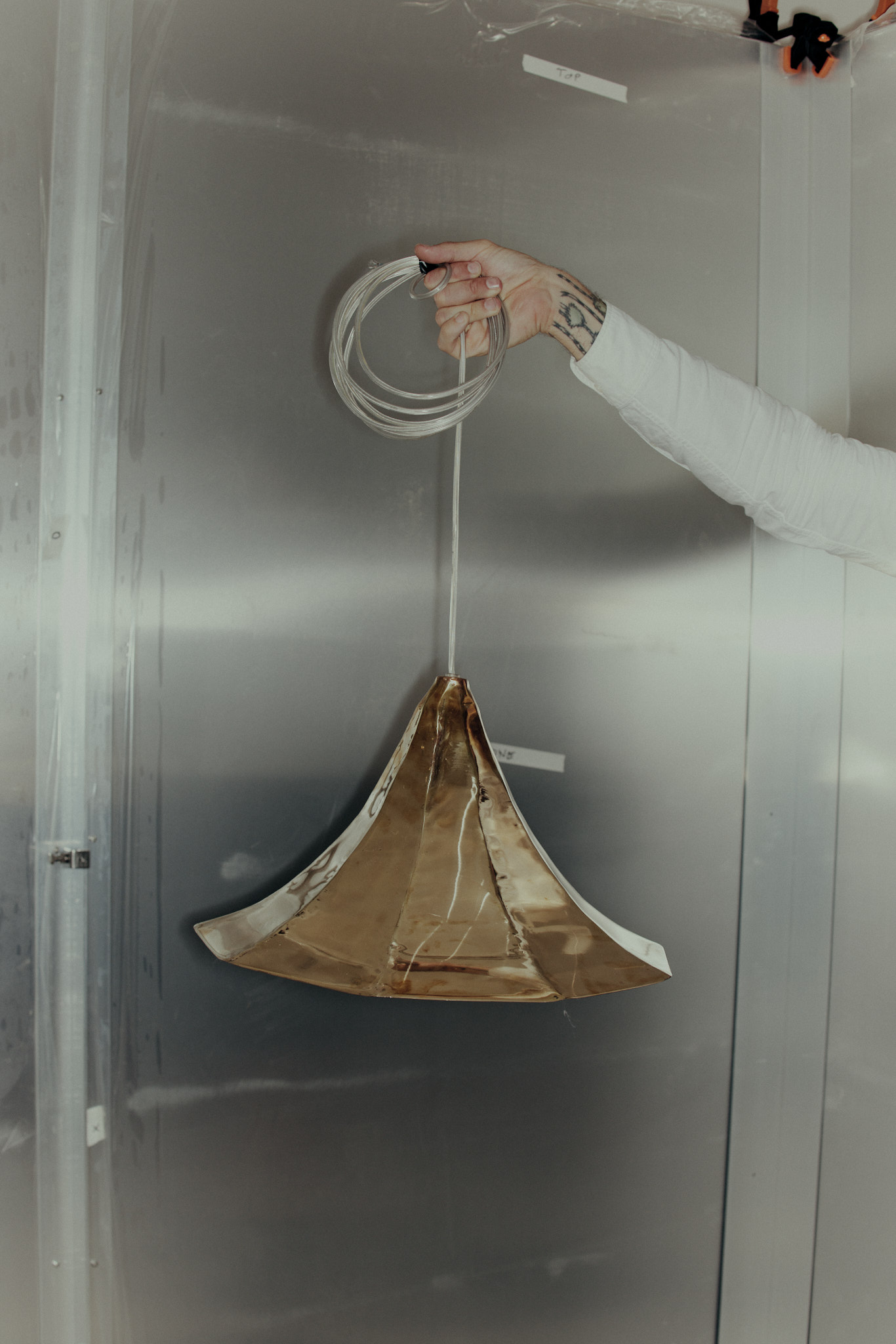
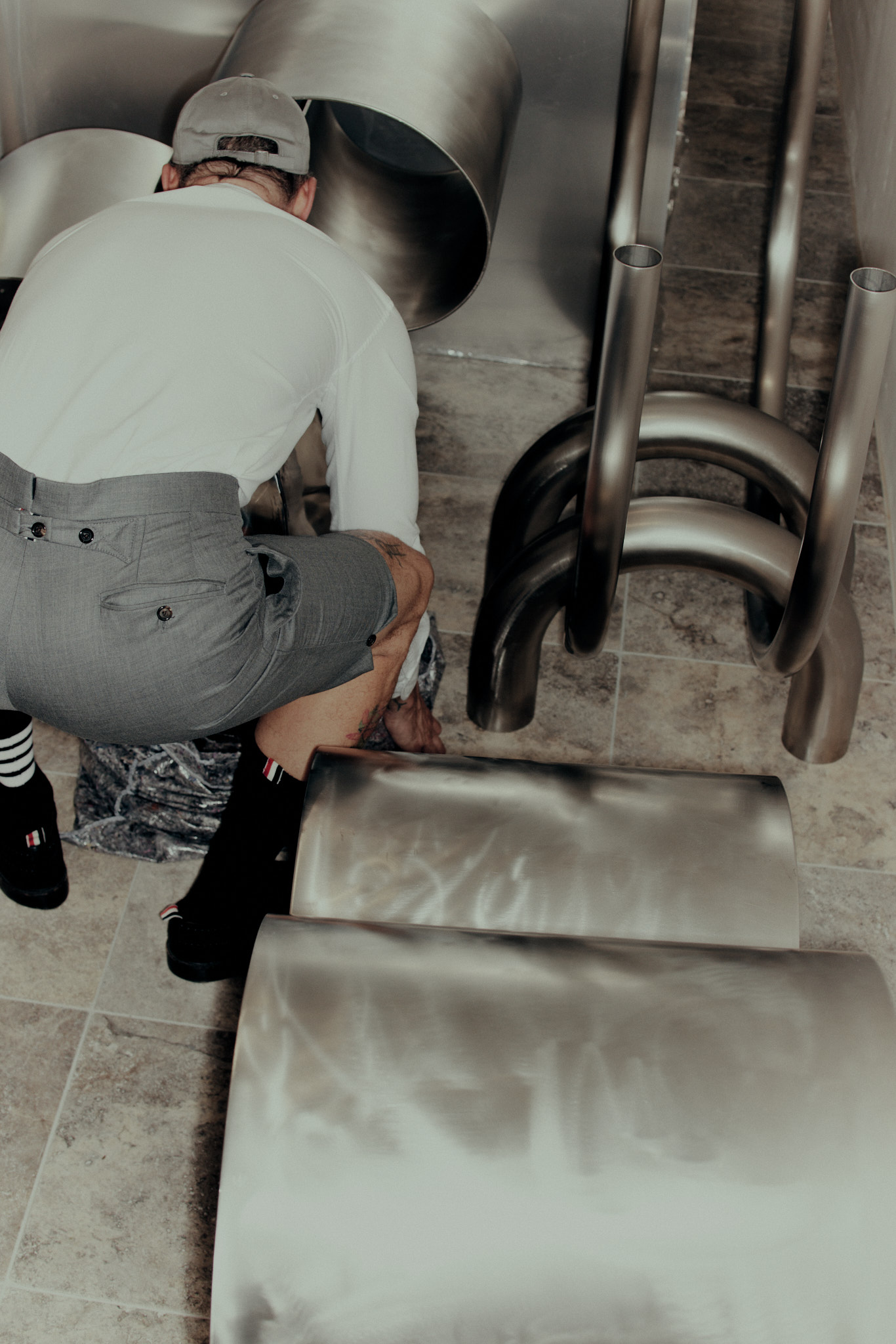
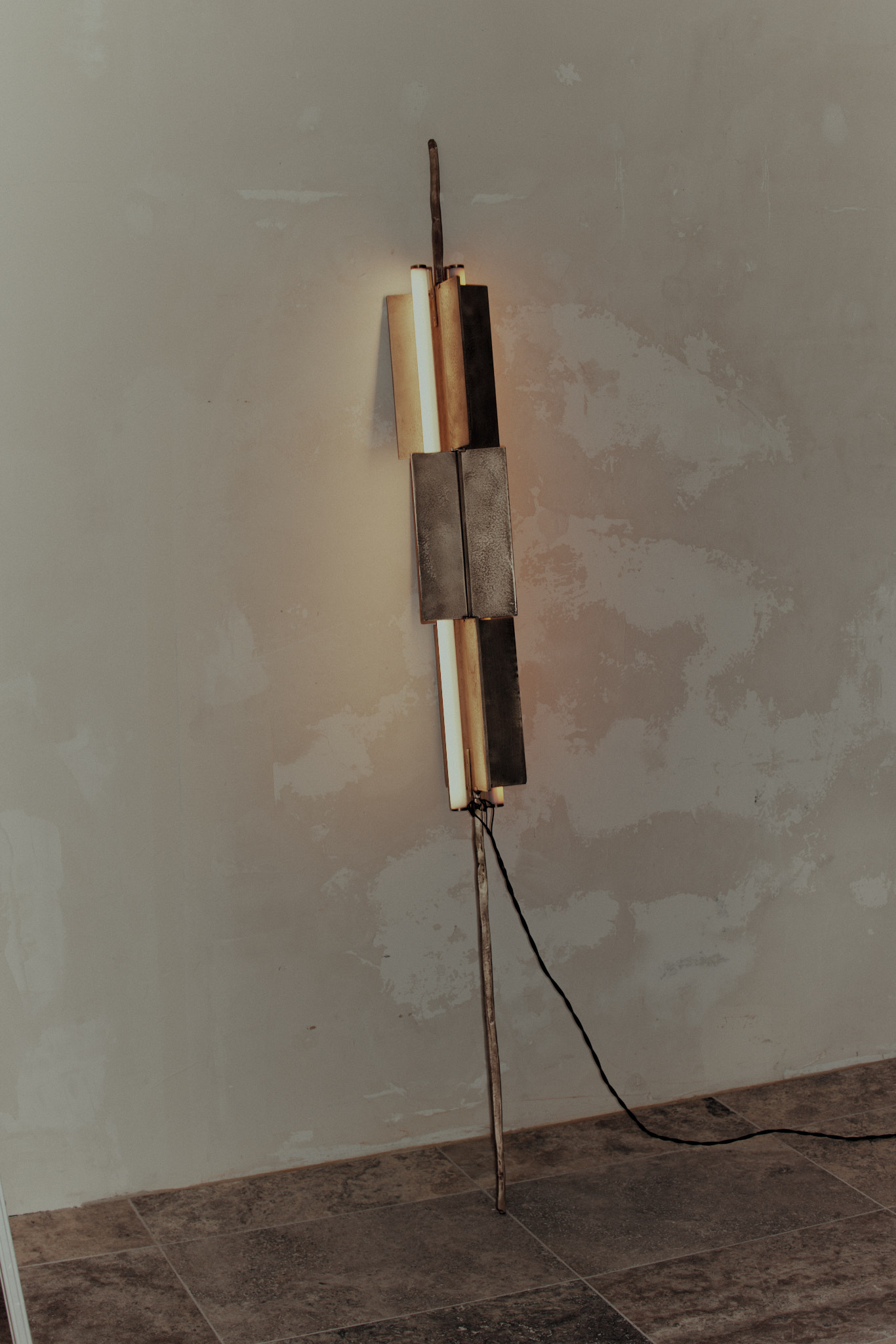
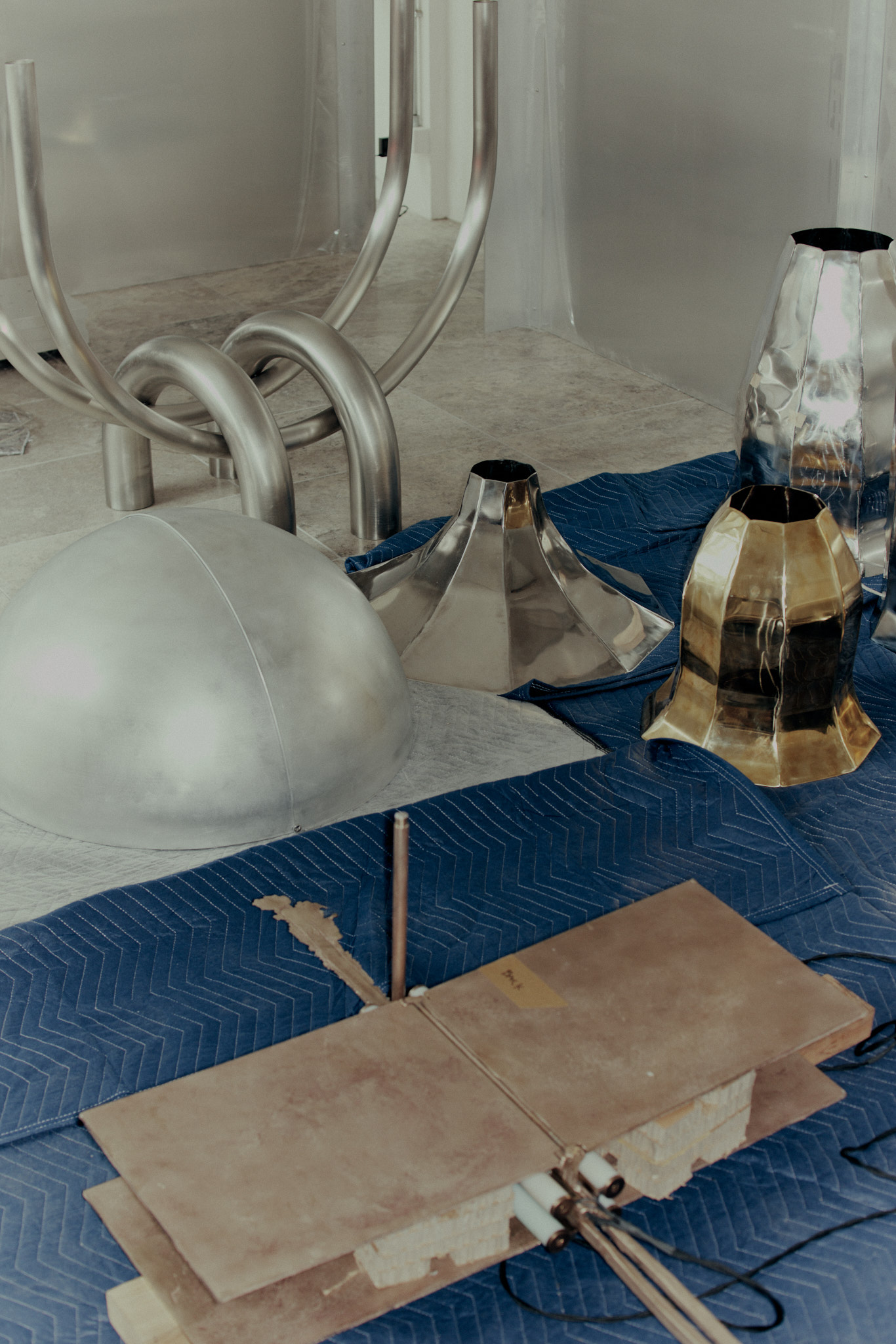
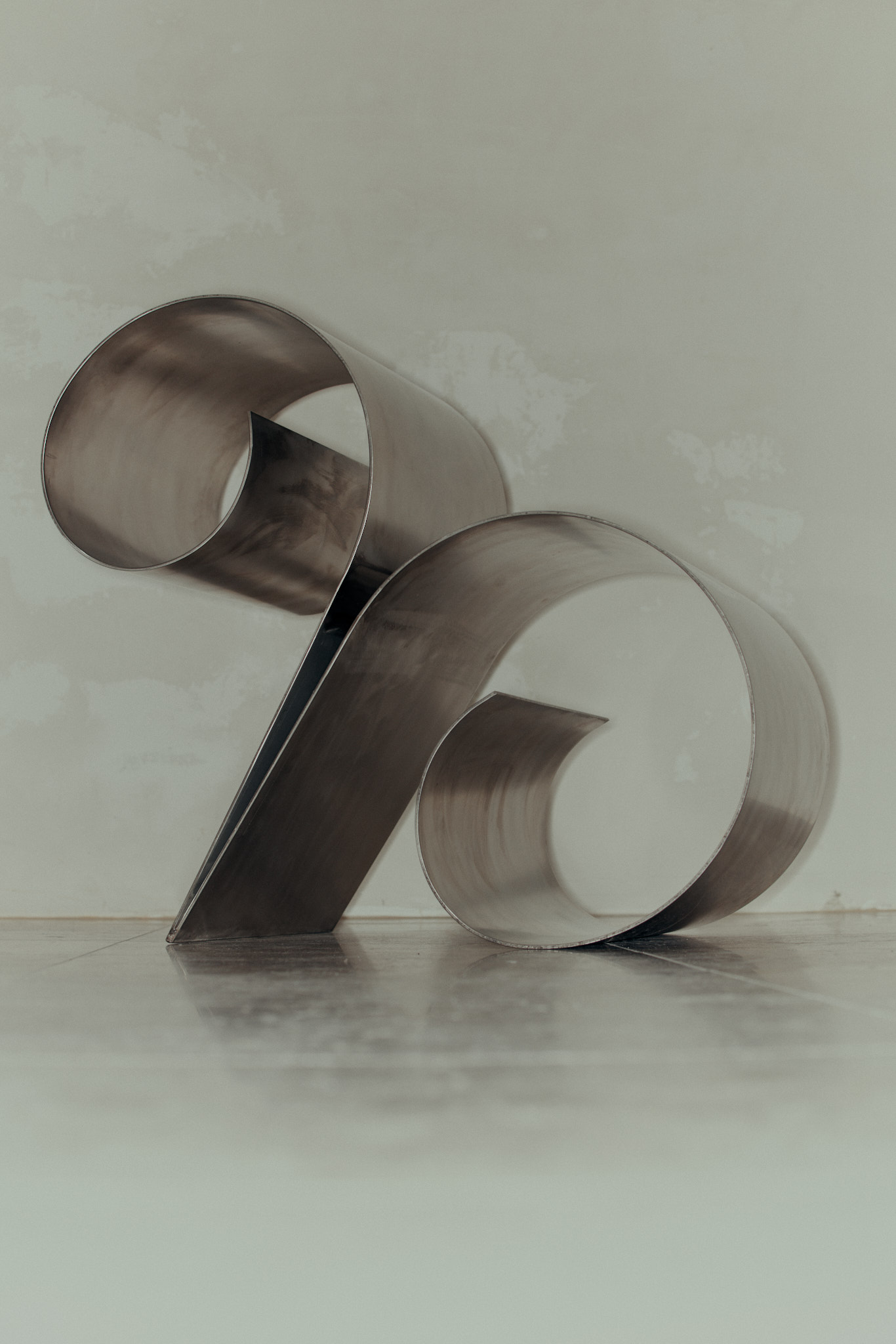
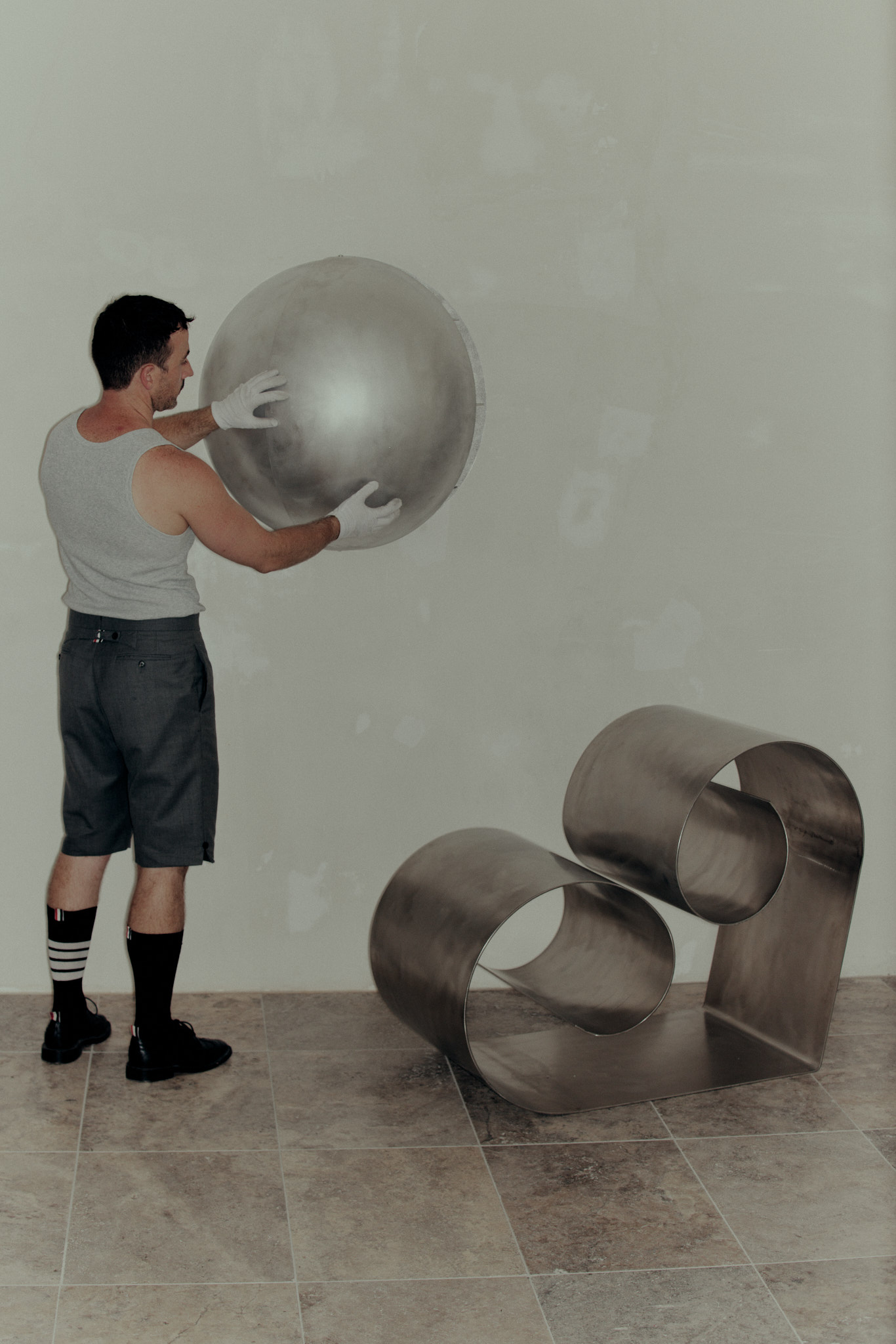
OIGÅLL PROJECTS presents a deliberately unruly booth for FUTUREOBJEKT at Melbourne Art Fair.
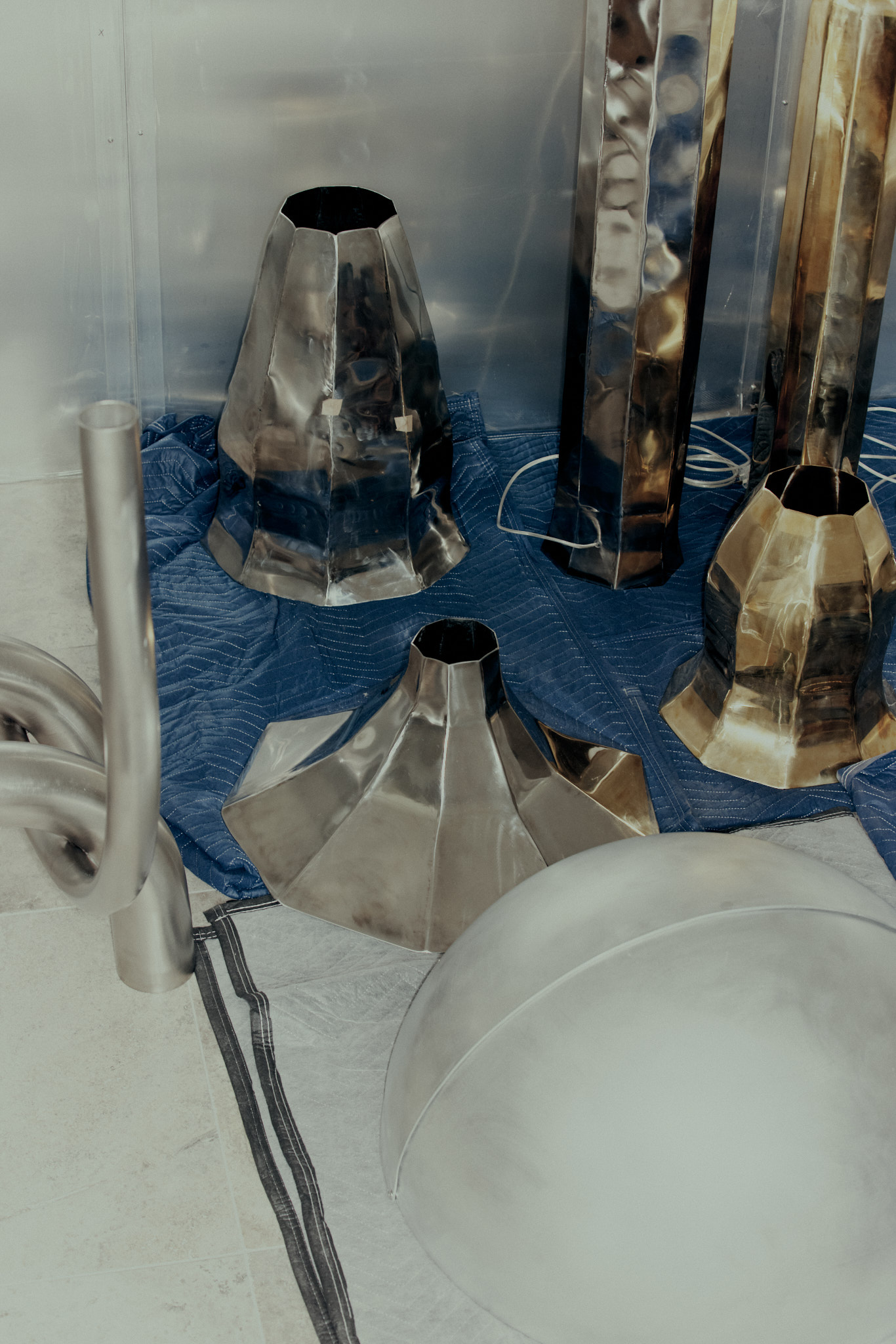
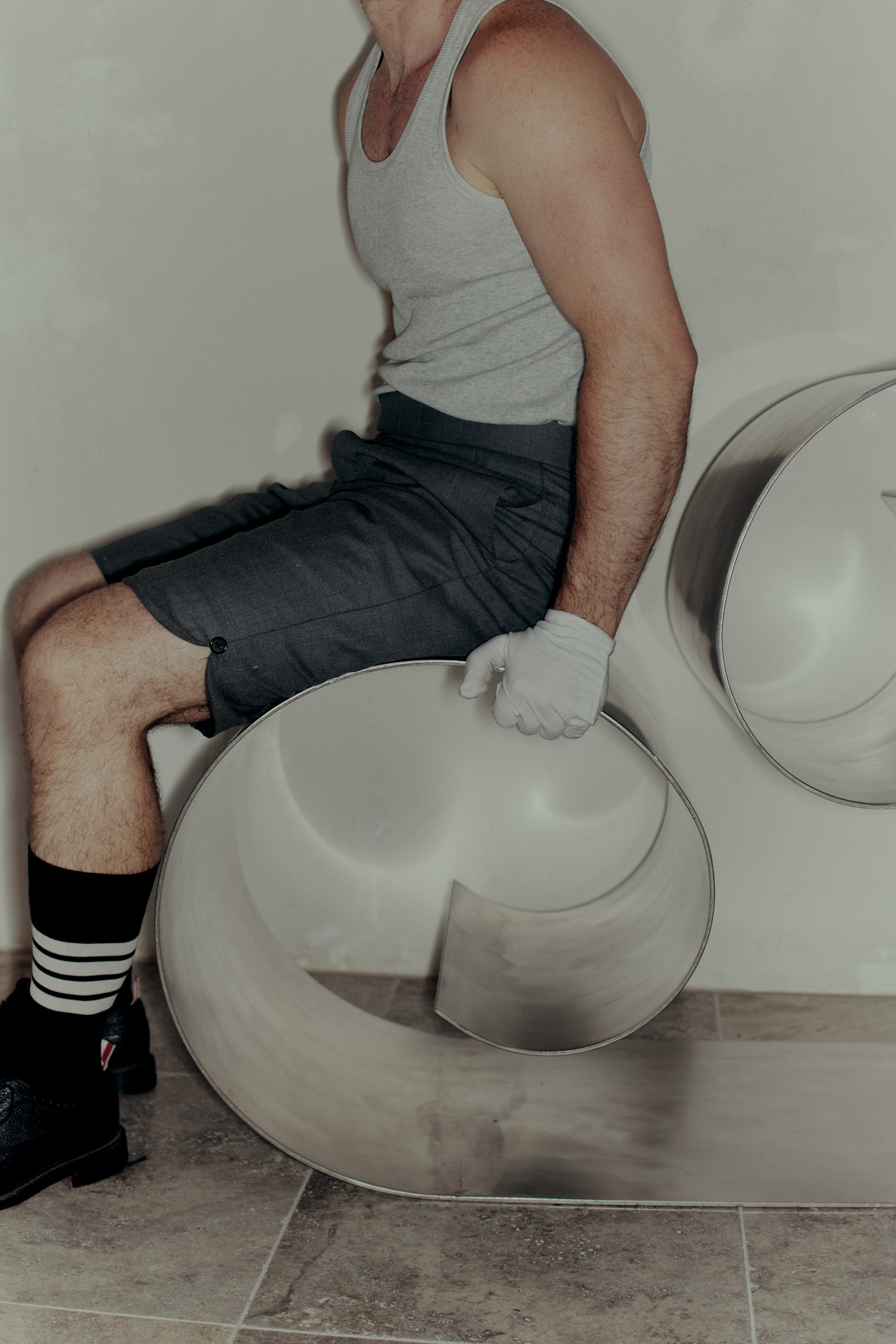
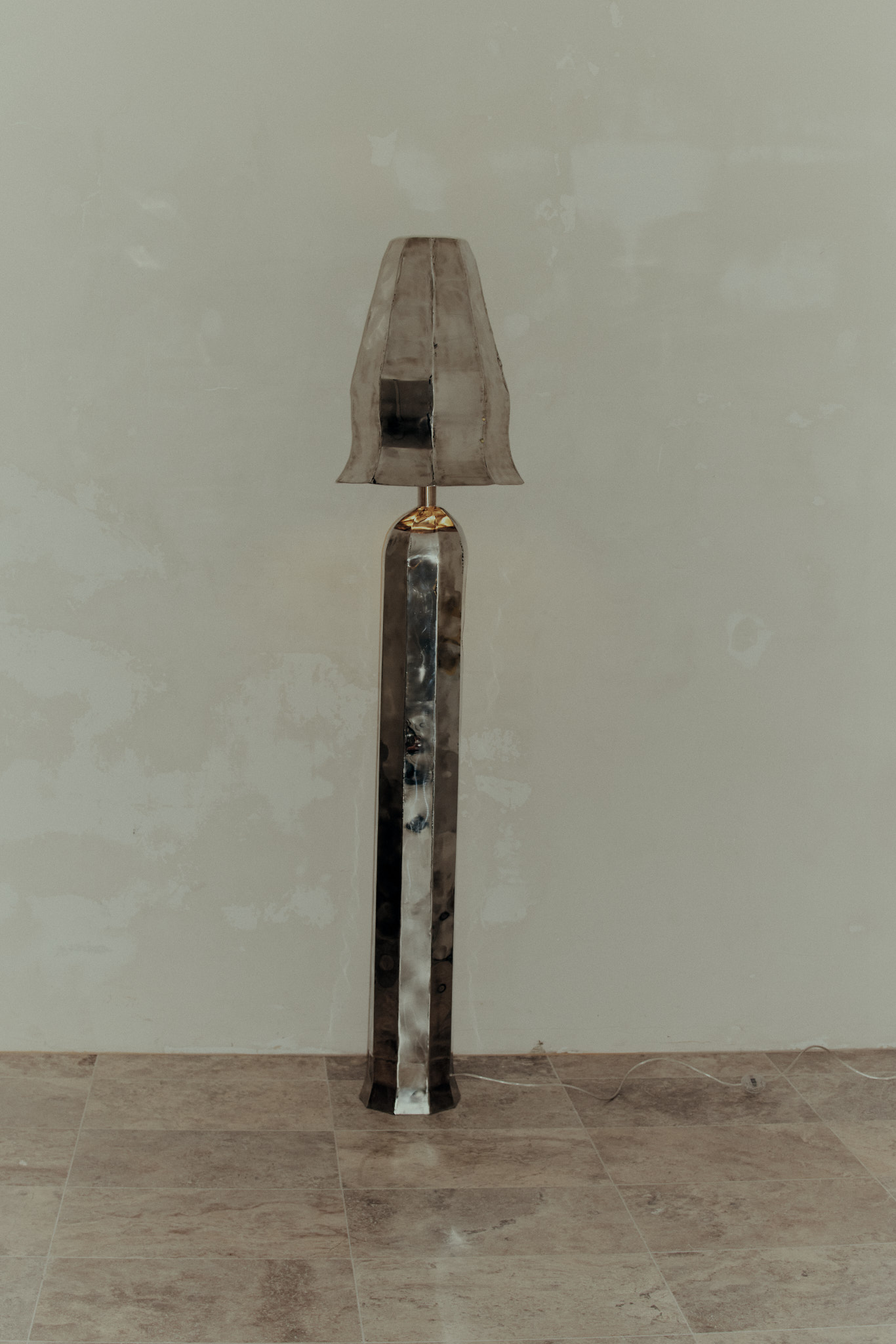
Nine local and international designers; Anna Varendorff, Henry Wilson, Peter D. Cole, Hannah Kuhlmann, Brus Studia, Duzi Objects, BMDO, Linda Valentic and Soft Baroque, are brought together less by theme than by instinct.
This is not a curated argument so much as a shared temperament. A loose gathering bound by obsessions with material intelligence, physical weight, and the stubborn pleasure of making things that insist on their presence.
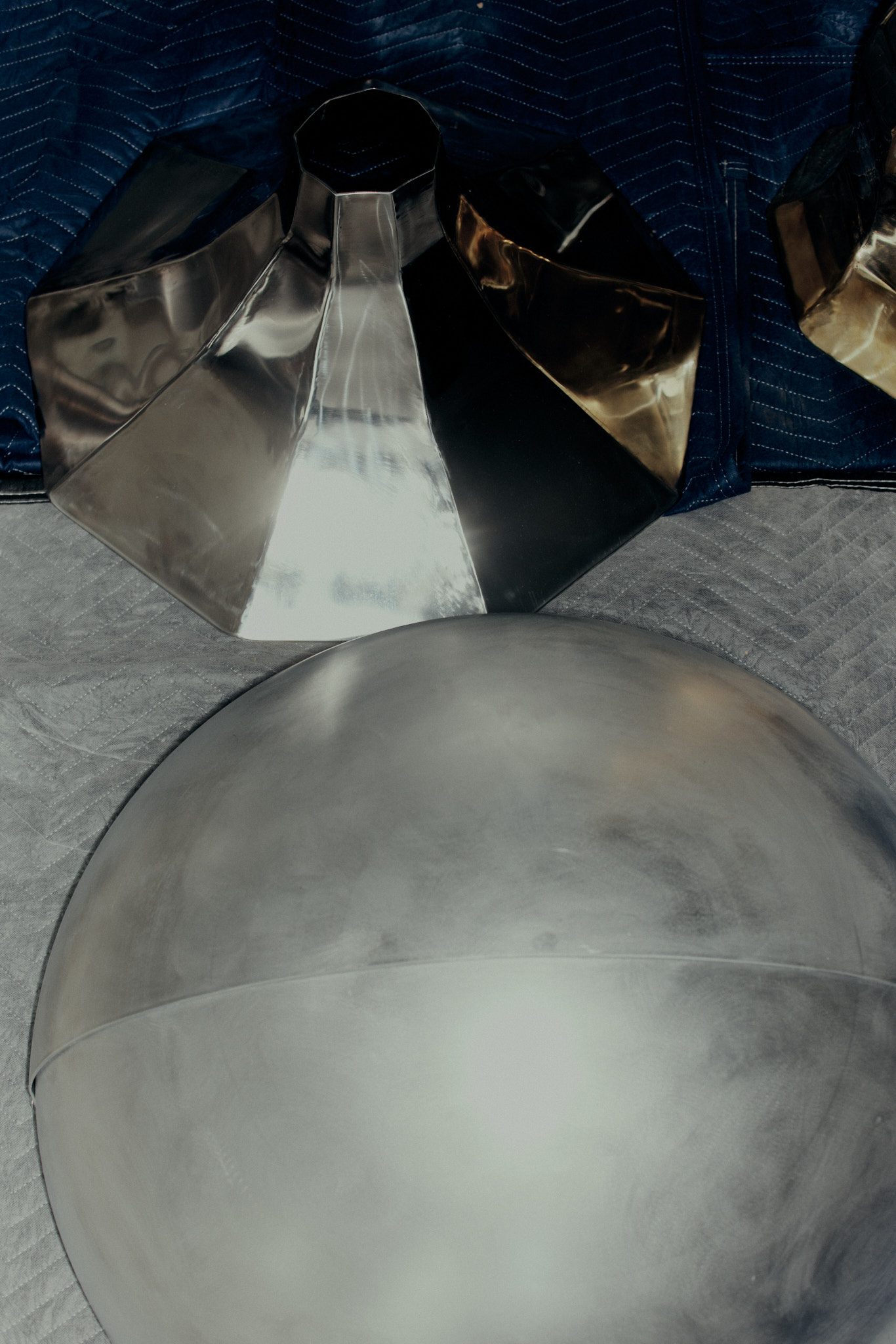
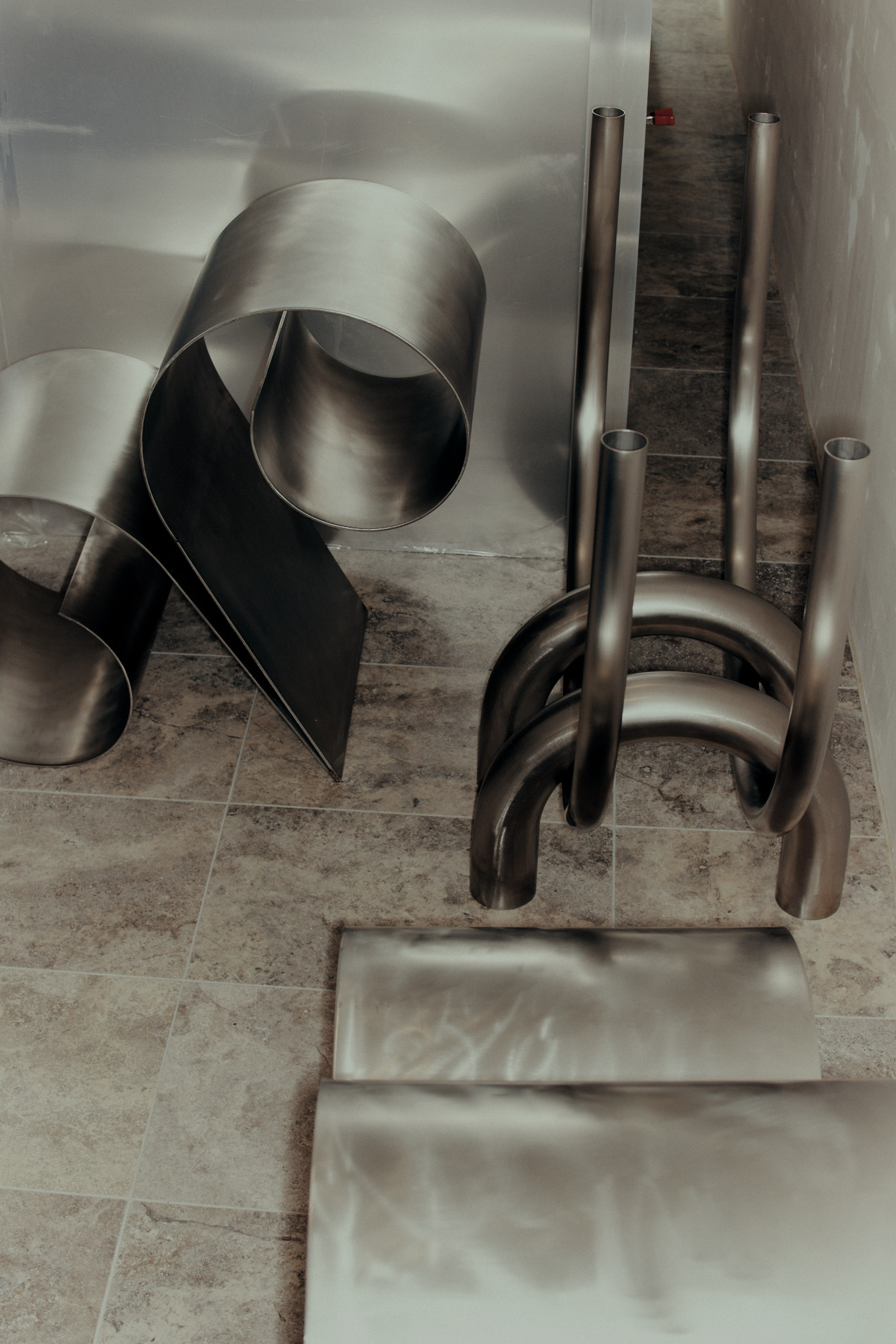
Across lighting, furniture and objects, the works favour density over delicacy, process over polish. They carry the marks of hands, tools and time. Objects that have been worked hard, and put away wet.
There is no singular narrative to follow here. Instead, the booth operates as a site of accumulation and belief: belief in making as thinking, in mass as meaning, and in objects that earn their place through use, resistance and endurance.
Nine local and international designers; Anna Varendorff, Henry Wilson, Peter D. Cole, Hannah Kuhlmann, Brus Studia, Duzi Objects, BMDO, Linda Valentic and Soft Baroque, are brought together less by theme than by instinct.
This is not a curated argument so much as a shared temperament. A loose gathering bound by obsessions with material intelligence, physical weight, and the stubborn pleasure of making things that insist on their presence.
Across lighting, furniture and objects, the works favour density over delicacy, process over polish. They carry the marks of hands, tools and time. Objects that have been worked hard, and put away wet.
There is no singular narrative to follow here. Instead, the booth operates as a site of accumulation and belief: belief in making as thinking, in mass as meaning, and in objects that earn their place through use, resistance and endurance.
COMING SOON COMING SOON COMING SOON COMING SOON COMING SOON COMING SOON COMING SOON COMING SOON COMING SOON COMING SOON COMING SOON COMING SOON COMING SOON COMING SOON COMING SOON COMING SOON
CURRENTLY UNTITLED
Exhibition
Exhibition
Ami Morris (b. 1990, Naarm/Melbourne) was the first artist to ever present a body of work at OIGÅLL, back in 2021, when the paint was still peeling off the walls and we were pretending to know what we were doing (we are still pretending that).
Several years on, she returns. Older, wiser, and with a new body of work that feels all the more assured for it.
Morris’ large-scale works unfold slowly, built up over months in the studio through a process of accumulation, erasure, and quiet persistence. Fields of colour are scumbled, scraped, and reworked, holding traces of their own making: oil pastel crumbs, cotton fibres, fragments of the studio itself embedded into the surface like evidence.
There is a kind of tension in them, between control and collapse, gesture and restraint. They nod, perhaps, to the long tail of abstraction, but refuse to sit comfortably within it. Instead, they feel closer to something lived-in. Bruised, smeared, delicate, and unexpectedly lyrical.
For her return to OIGÅLL, Morris presents a new body of work that feels both expanded and distilled.
The exhibition centres on four large-scale paintings, developed using a hard wax medium, an approach she has, by her own admission, become completely consumed by. The surfaces are denser, slower, more deliberate. Built through layers that hold and resist, rather than dissolve.
These works are darker in tone, but not heavy. Not morose. Instead, they carry a kind of quiet authority, a maturity that feels self-assured rather than resolved. The paintings buzz at a lower frequency: atmospheric, immersive.
There is a sense of calm running through them, as though they are tuned to something just beyond the studio. A broader creative field. A shared, if intangible, energy.
Alongside the paintings, Morris introduces two large-scale sculptural works, totemic forms constructed from concrete, cardboard, and found ephemera. They feel at once provisional and permanent. As though assembled quickly, but destined to stay.
Together, the works mark a shift in her practice. Not a departure, but an opening, into material, into space, into something slightly stranger.
To have her back feels both fitting and surreal. A return, but not a repeat.
Several years on, she returns. Older, wiser, and with a new body of work that feels all the more assured for it.
Morris’ large-scale works unfold slowly, built up over months in the studio through a process of accumulation, erasure, and quiet persistence. Fields of colour are scumbled, scraped, and reworked, holding traces of their own making: oil pastel crumbs, cotton fibres, fragments of the studio itself embedded into the surface like evidence.
There is a kind of tension in them, between control and collapse, gesture and restraint. They nod, perhaps, to the long tail of abstraction, but refuse to sit comfortably within it. Instead, they feel closer to something lived-in. Bruised, smeared, delicate, and unexpectedly lyrical.
For her return to OIGÅLL, Morris presents a new body of work that feels both expanded and distilled.
The exhibition centres on four large-scale paintings, developed using a hard wax medium, an approach she has, by her own admission, become completely consumed by. The surfaces are denser, slower, more deliberate. Built through layers that hold and resist, rather than dissolve.
These works are darker in tone, but not heavy. Not morose. Instead, they carry a kind of quiet authority, a maturity that feels self-assured rather than resolved. The paintings buzz at a lower frequency: atmospheric, immersive.
There is a sense of calm running through them, as though they are tuned to something just beyond the studio. A broader creative field. A shared, if intangible, energy.
Alongside the paintings, Morris introduces two large-scale sculptural works, totemic forms constructed from concrete, cardboard, and found ephemera. They feel at once provisional and permanent. As though assembled quickly, but destined to stay.
Together, the works mark a shift in her practice. Not a departure, but an opening, into material, into space, into something slightly stranger.
To have her back feels both fitting and surreal. A return, but not a repeat.